Education
Education theoretical frameworkLearning motivation and outcomes
Dissertation framework tool
Turn the theory behind your study into a clear theoretical framework diagram. Describe your constructs and the AI lays out the theory, concepts, and links — labeled and editable.
CV-2 Standard · 16:9
theoretical framework
Try an example
Explore examples from social science, education, nursing, and management, then adapt one to your study.
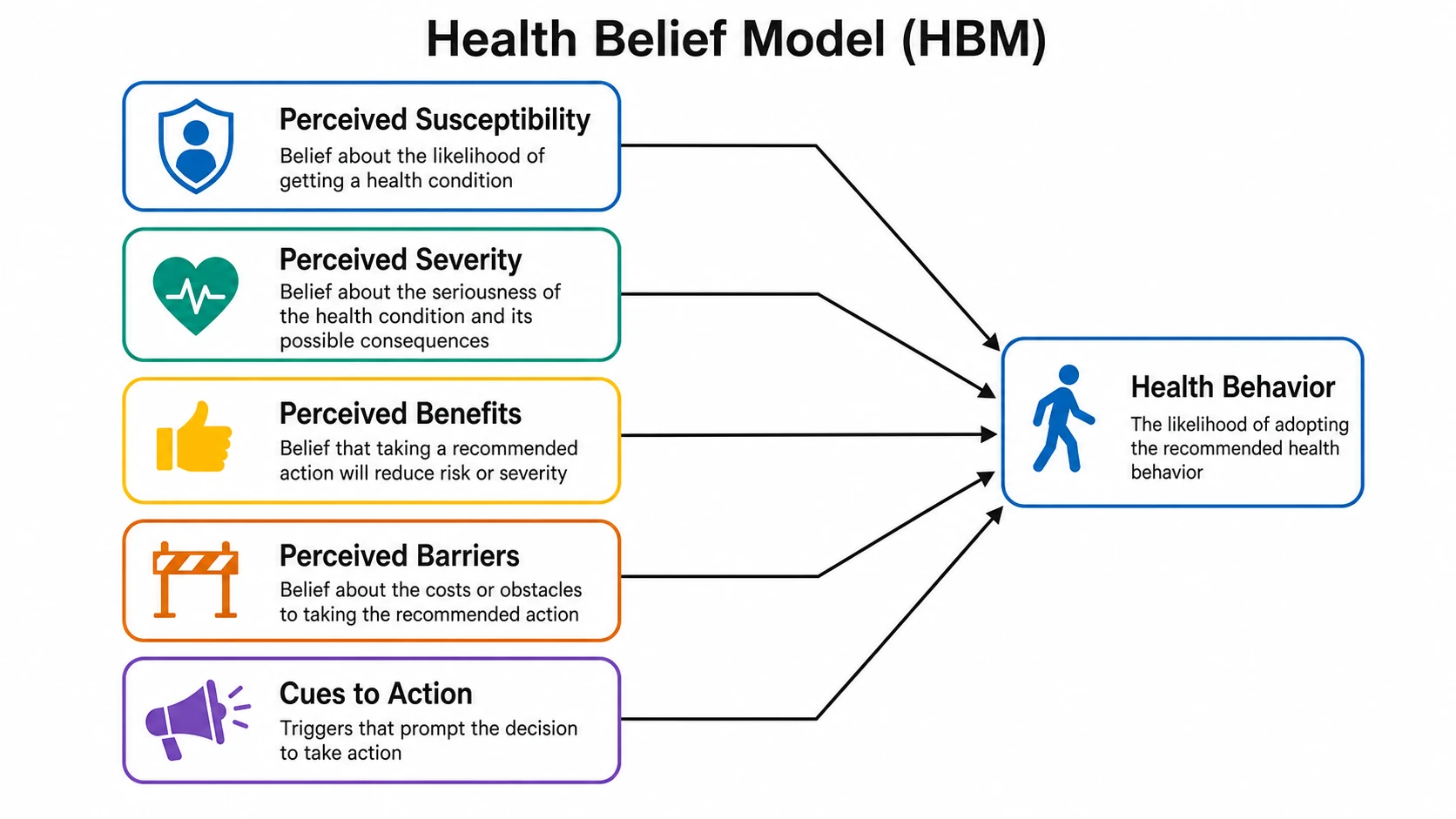
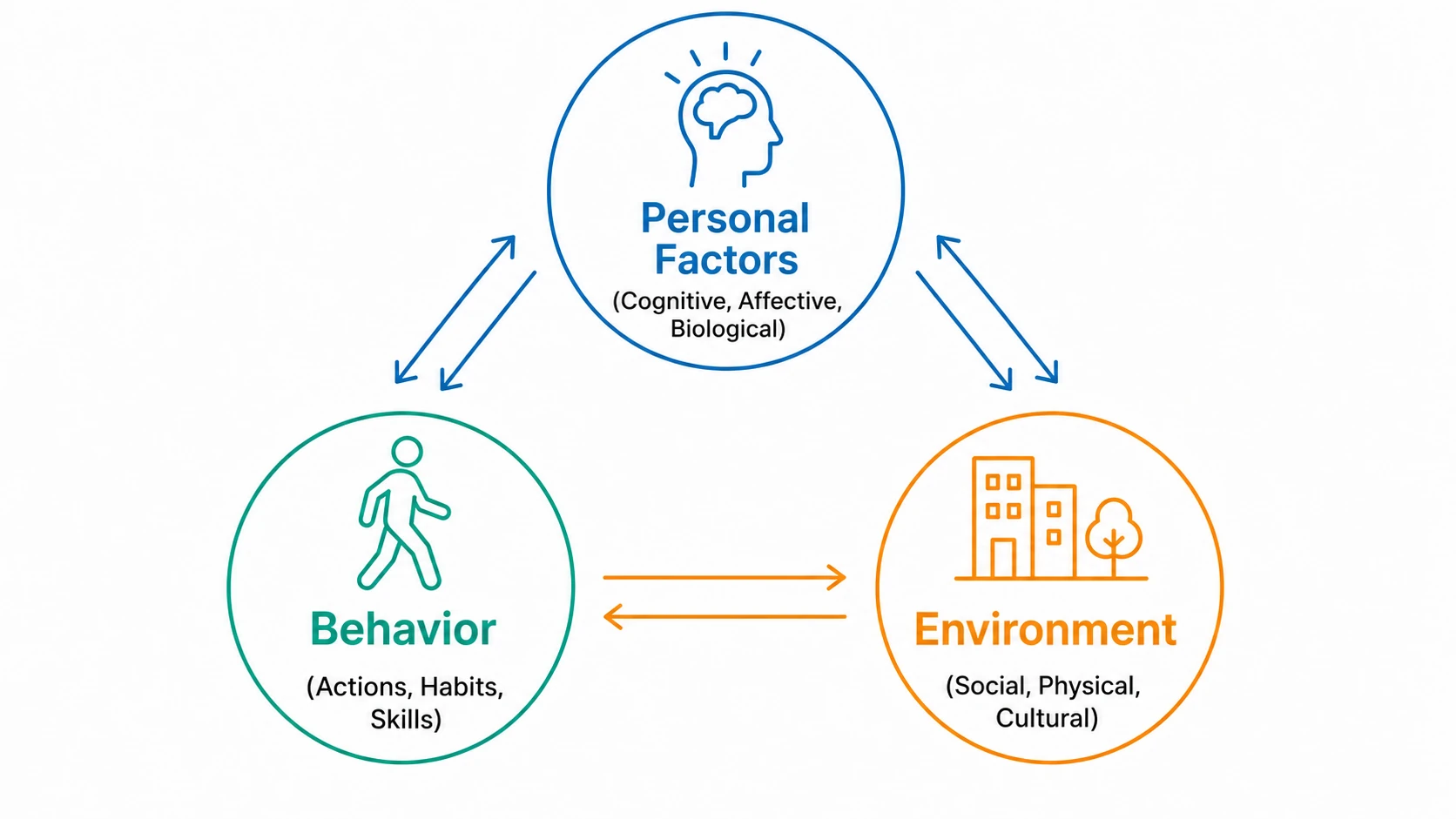
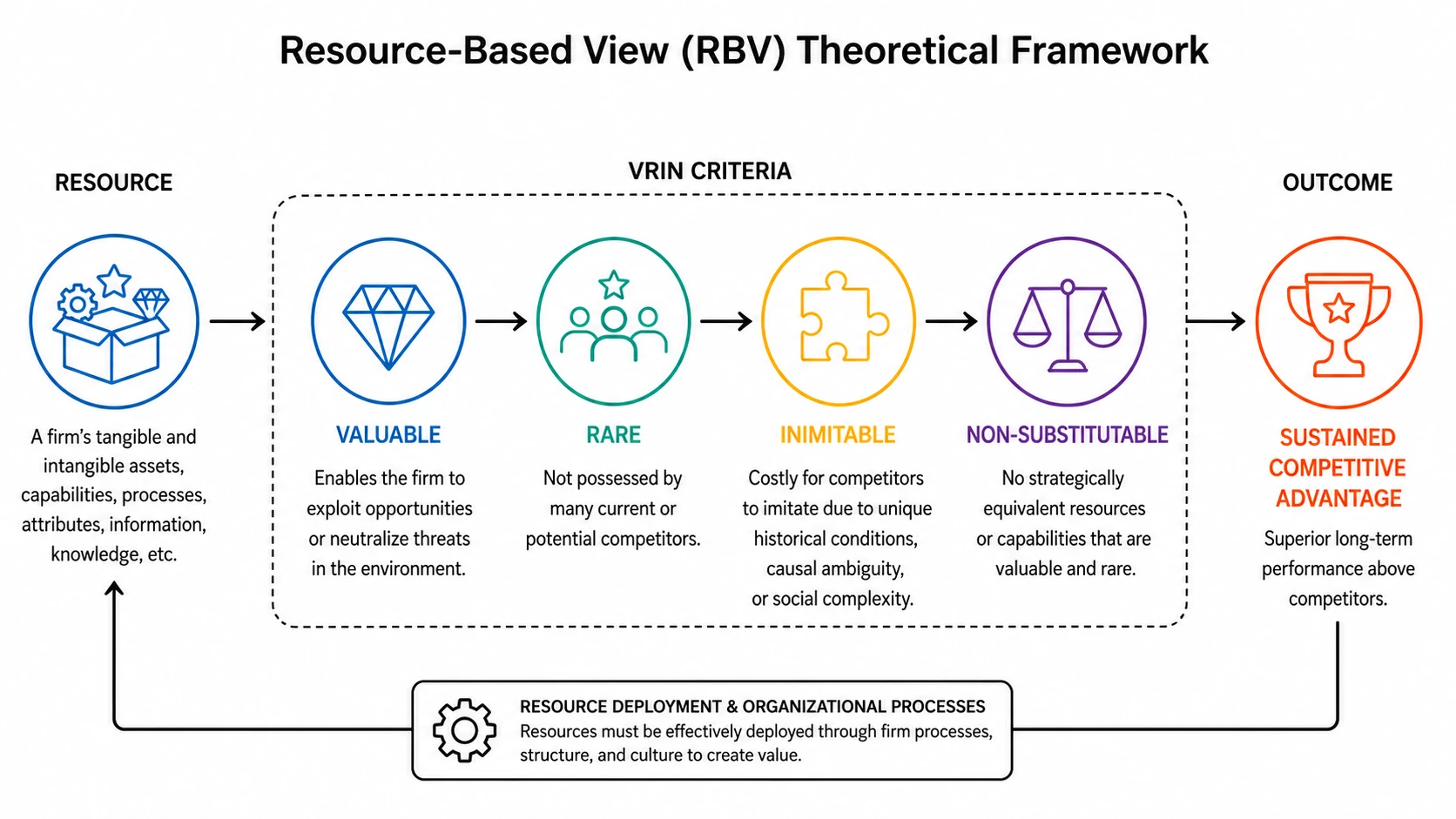
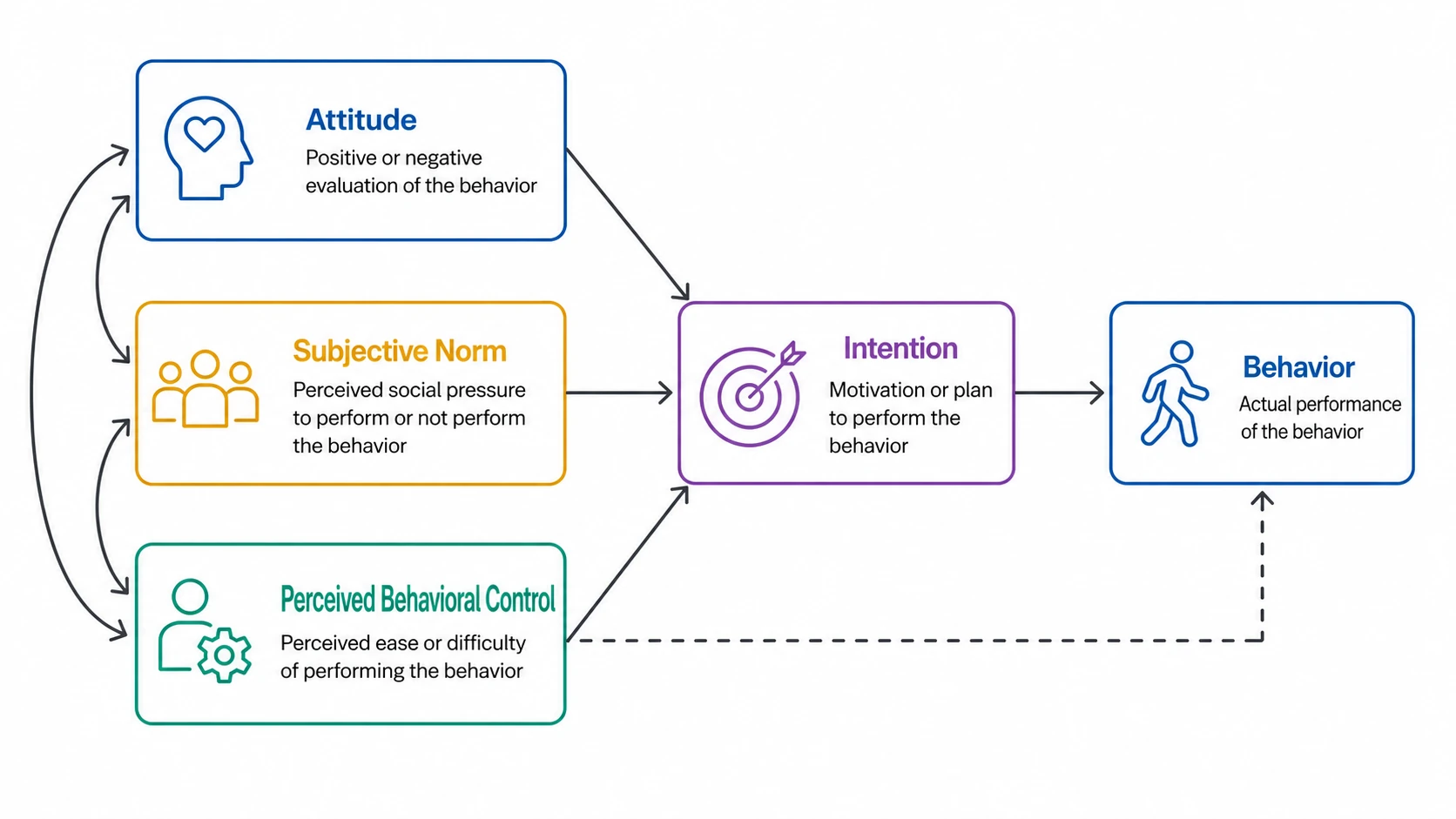
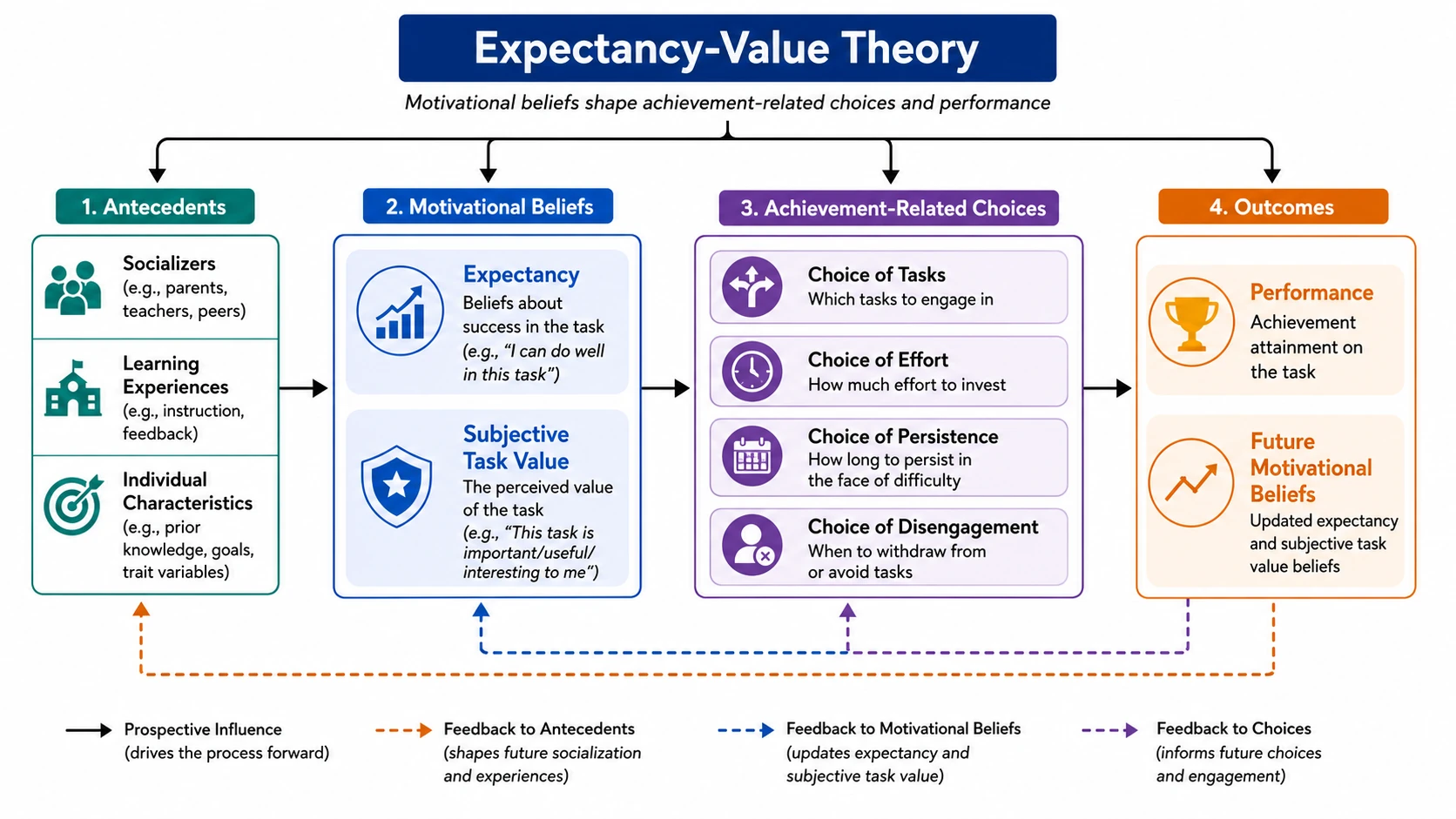
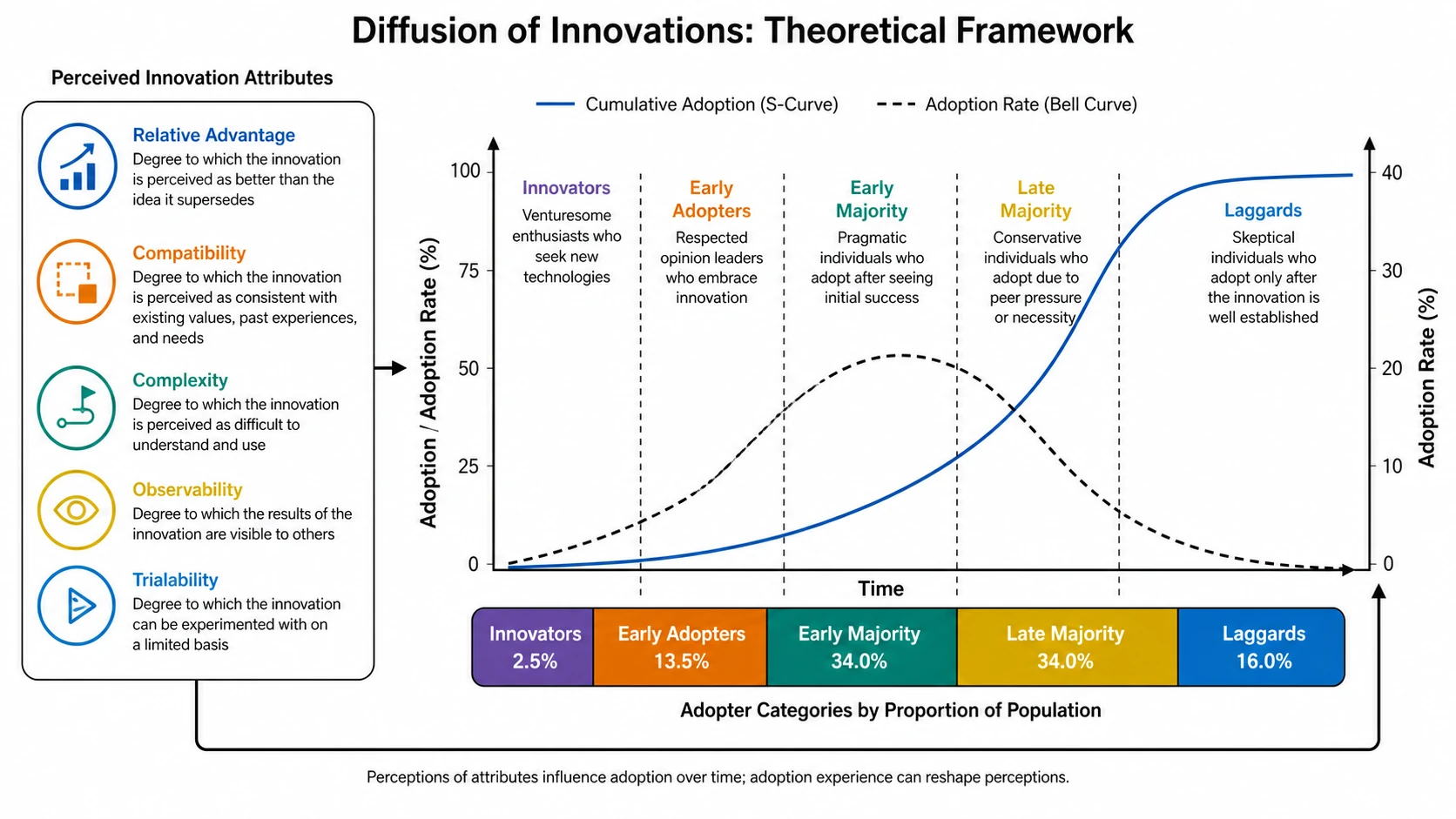
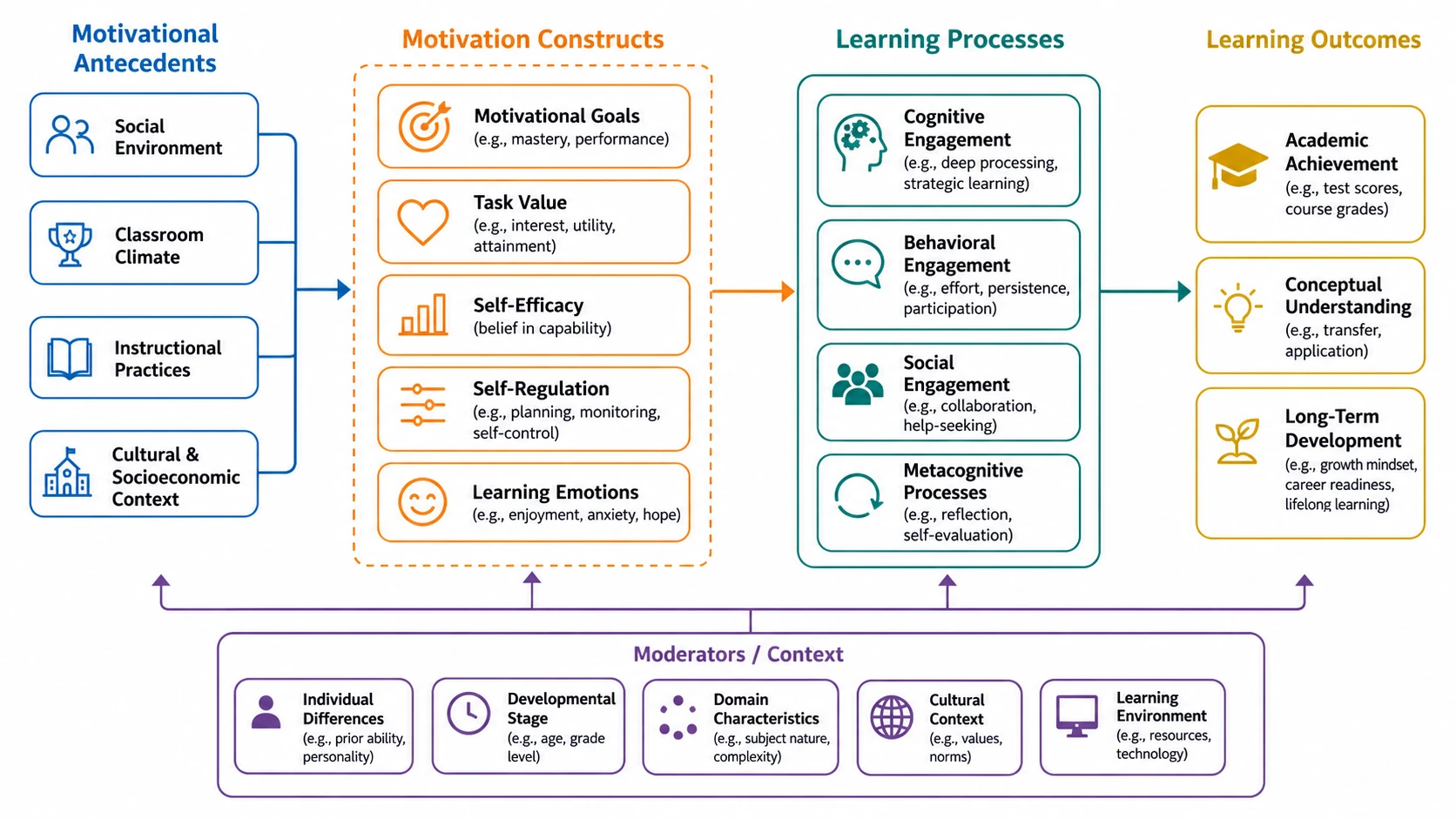
A theoretical framework is the established theory or model that provides the intellectual foundation for your study. While a literature review surveys what other researchers have found, a theoretical framework identifies the specific theory you adopt and explains how its constructs relate to your research problem. In a thesis or dissertation, it typically appears early — in chapter two or the literature review — to show the reader the lens through which you interpret your data. A strong theoretical framework makes your research design defensible: every variable you measure and every hypothesis you test should trace back to a construct in the framework.
A theoretical framework is a required chapter in most doctoral dissertations and many master's theses. Your committee evaluates it to determine whether you have grounded your study in an established body of knowledge and whether the theory logically connects to your research questions. Without a clear framework, reviewers may question why you chose specific variables, why you expect certain relationships, and how your findings will contribute to the field. A well-constructed theoretical framework also guides your analysis: it tells you which constructs to measure, which relationships to test, and how to interpret unexpected results.
Building a theoretical framework diagram manually means sketching constructs on paper, redrawing them in PowerPoint or Word, aligning boxes and arrows by eye, and redoing everything when your committee suggests adding a construct. With the generator: describe your theory and its key constructs, get a labeled diagram with clear relationships, edit any concept or link, export as editable SVG, and revise anytime without starting over. What used to be an afternoon of drawing becomes a focused ten-minute task.
Begin by identifying the theory or model your study adopts — for example, self-determination theory, the technology acceptance model, or Bandura's social cognitive theory. Next, list the core constructs and define each one. Then describe the relationships the theory proposes between constructs: which influences which, and through what mechanism. Finally, explain how these theoretical constructs connect to the specific variables in your study. The generator helps you visualize this mapping: describe the theory and constructs, and the tool produces a diagram showing concepts, definitions, and directional links.
In education, a theoretical framework often draws on self-determination theory, constructivism, or Vygotsky's zone of proximal development. In nursing and health sciences, common choices include the health belief model, Orem's self-care theory, and the social ecological model. In management and business research, you might use the resource-based view, institutional theory, or the technology acceptance model. In psychology, frequently chosen theories include social cognitive theory, attachment theory, and the theory of planned behavior. The generator supports all these models — describe your theory and the tool produces a diagram matching your discipline's conventions.
The most frequent error is choosing a theory that does not logically connect to your research questions. If the theory says nothing about your dependent variable, the theoretical framework will feel forced. Another mistake is listing multiple theories without committing to one — the framework should identify a primary theory and explain why it is the best lens for your problem. Third, many students describe the theory in text but never produce a visual diagram, making the relationships harder for reviewers to evaluate. The generator solves this directly: you get a visual framework alongside your written description.
Constructs and links are arranged for academic communication, not decoration. The generator uses layouts that dissertation committees expect: core constructs in the center, antecedent conditions on the left, outcomes on the right, and moderating or mediating constructs branching appropriately. Export as an editable vector SVG that opens in Illustrator, Inkscape, or Figma — ready to place in your dissertation, thesis, or manuscript without losing editability. The theoretical framework stays yours to revise through every round of feedback.
Learning motivation and outcomes
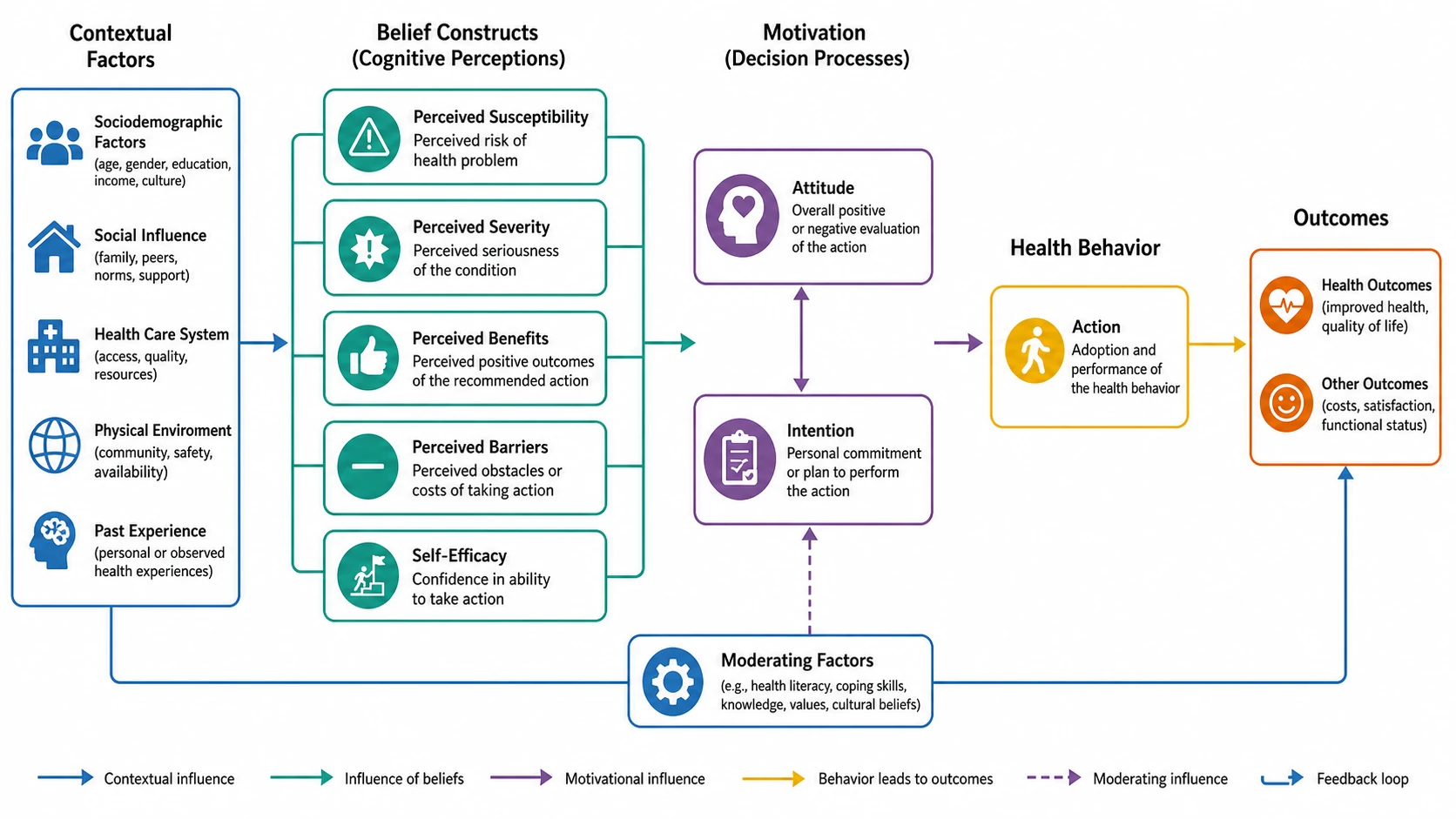
Health behavior and nursing outcomes
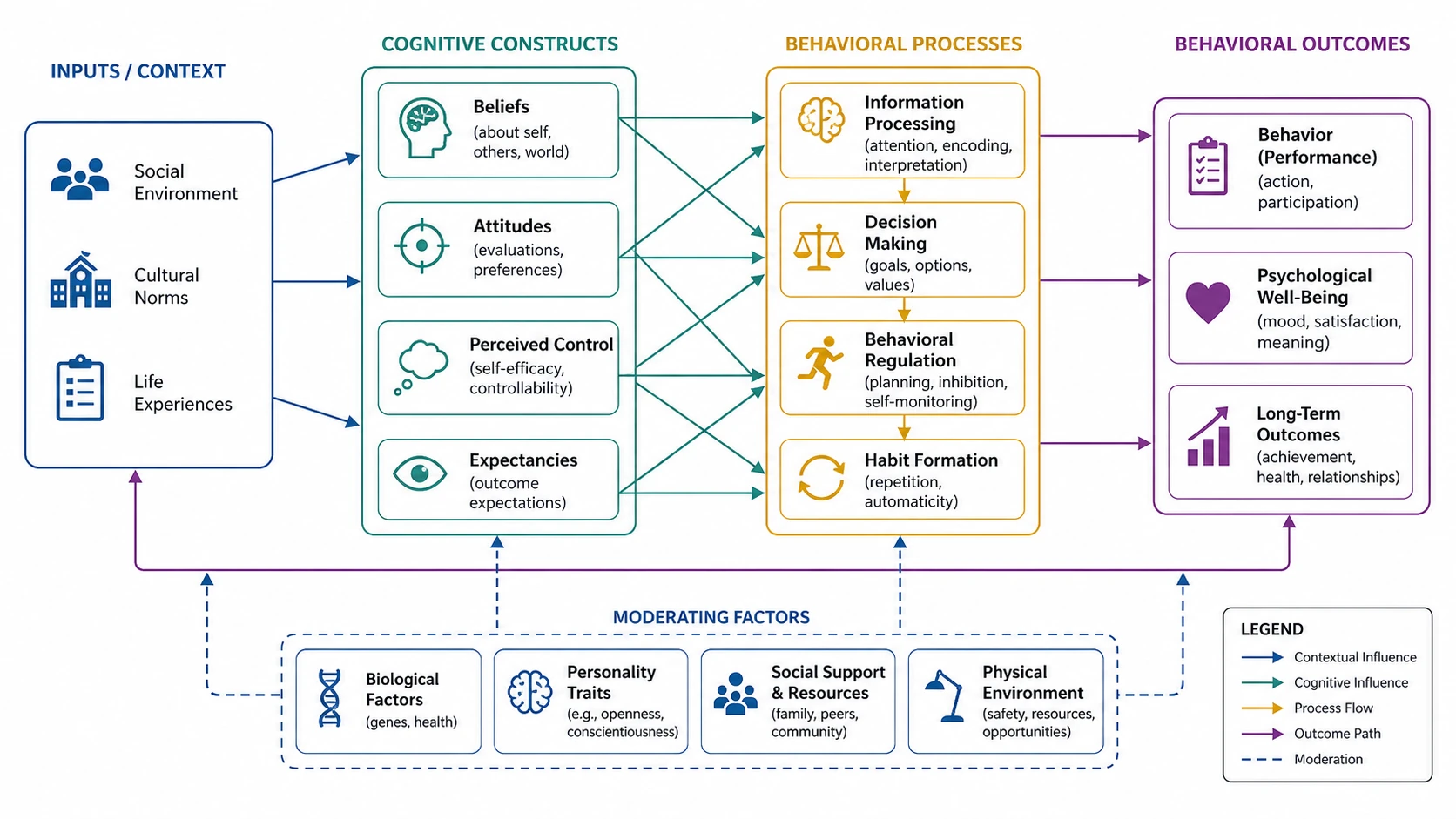
Psychological constructs and behavior
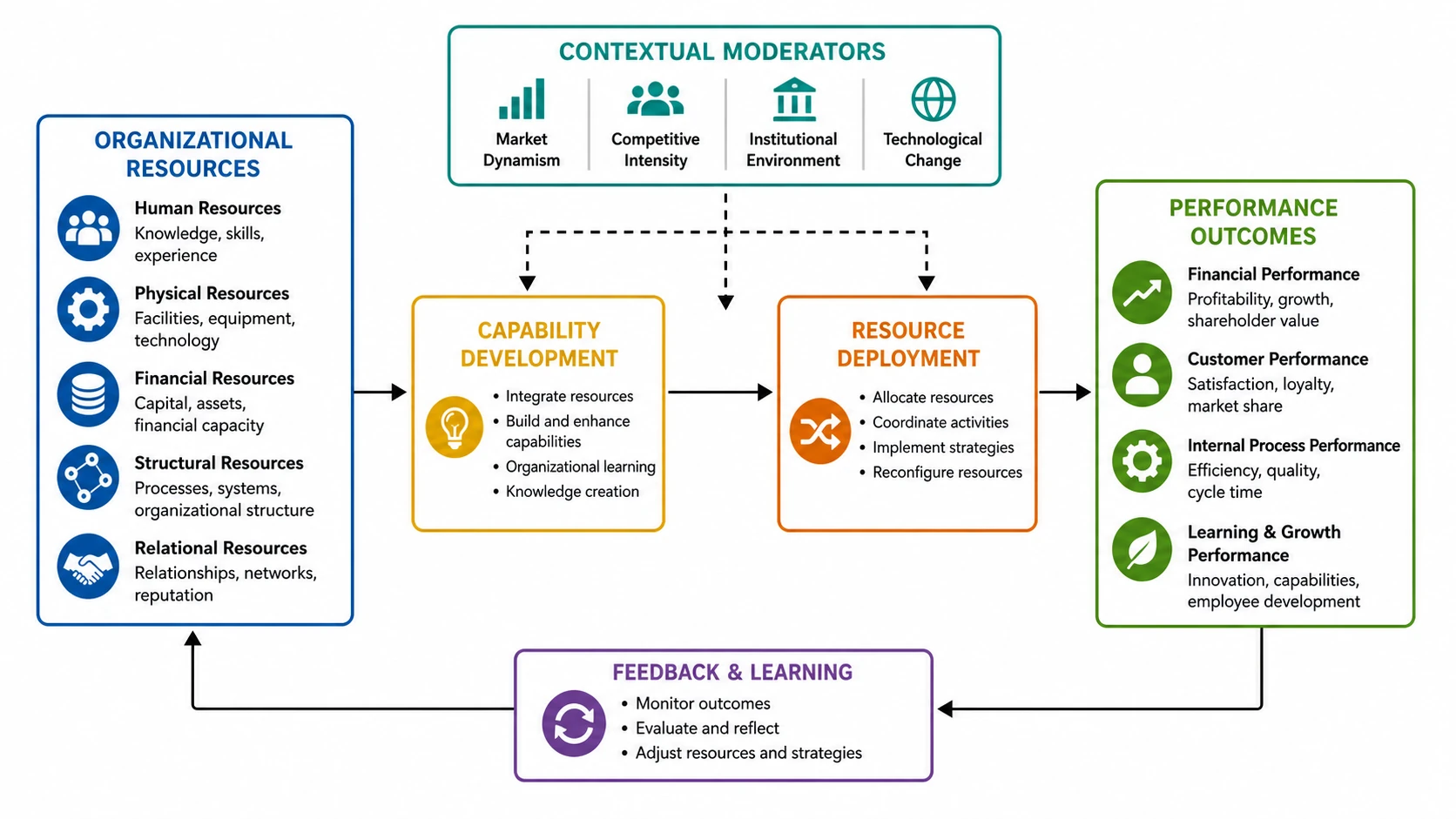
Organizational resources and performance
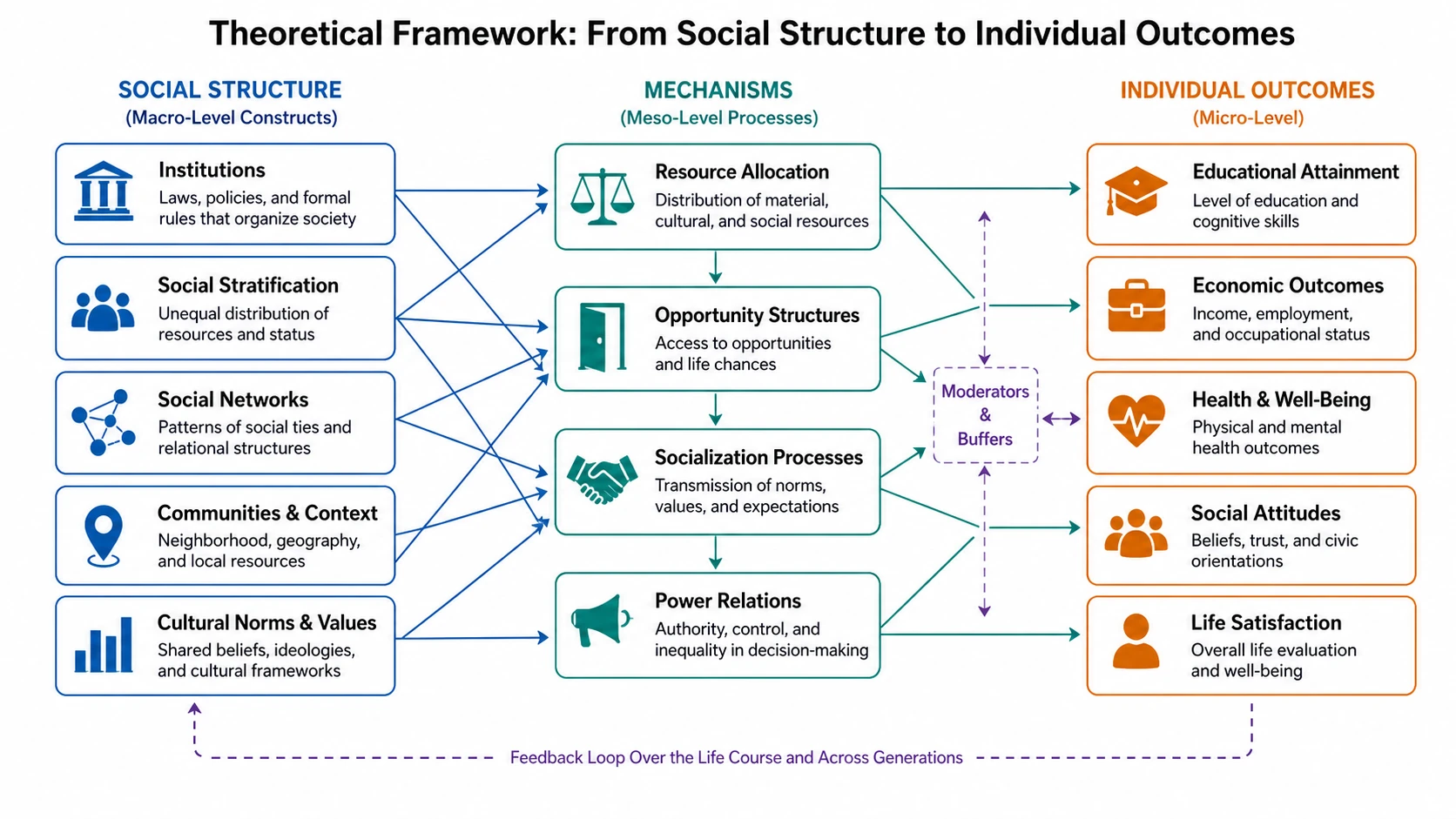
Social structure and behavior
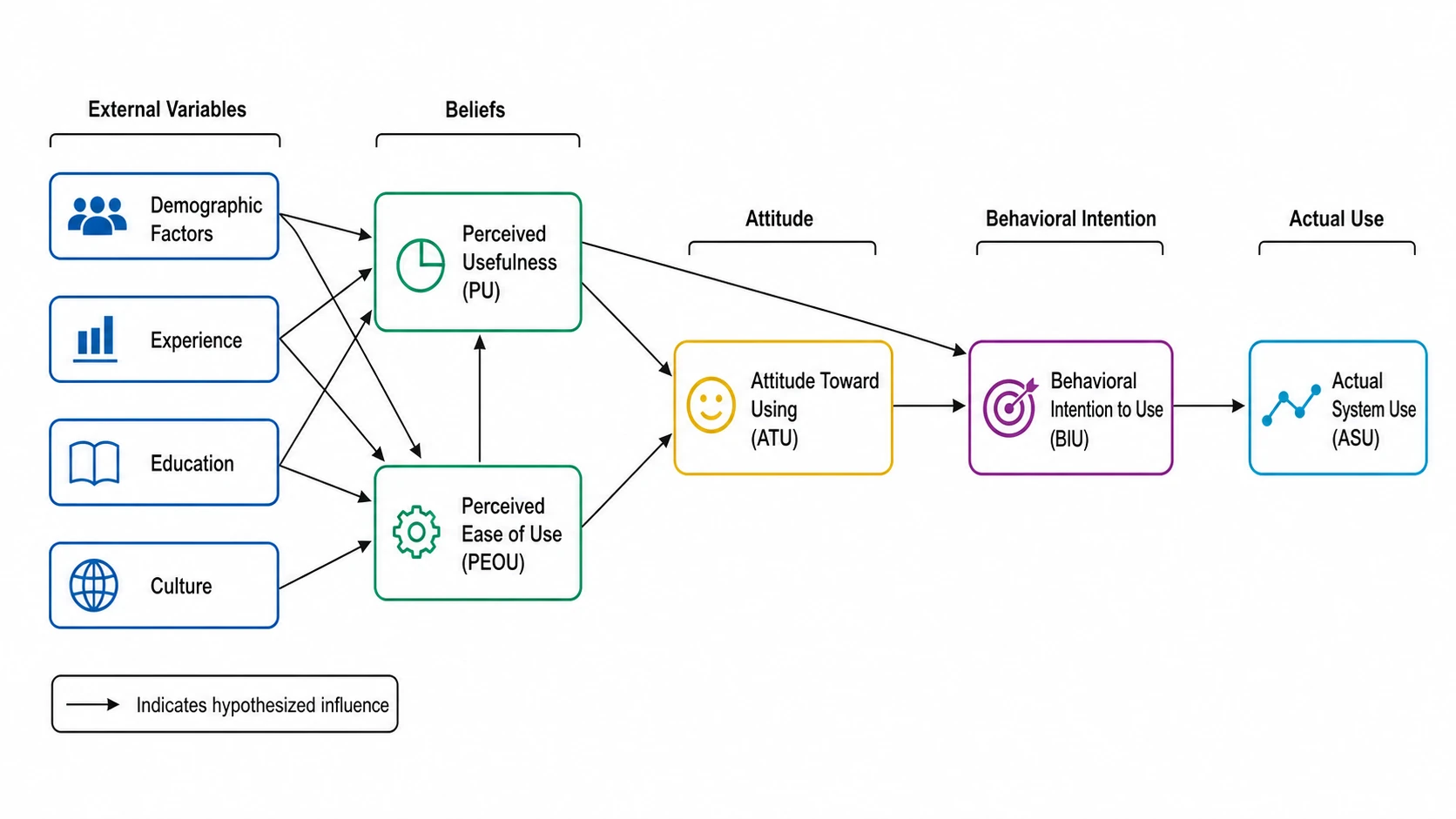
Technology acceptance and use
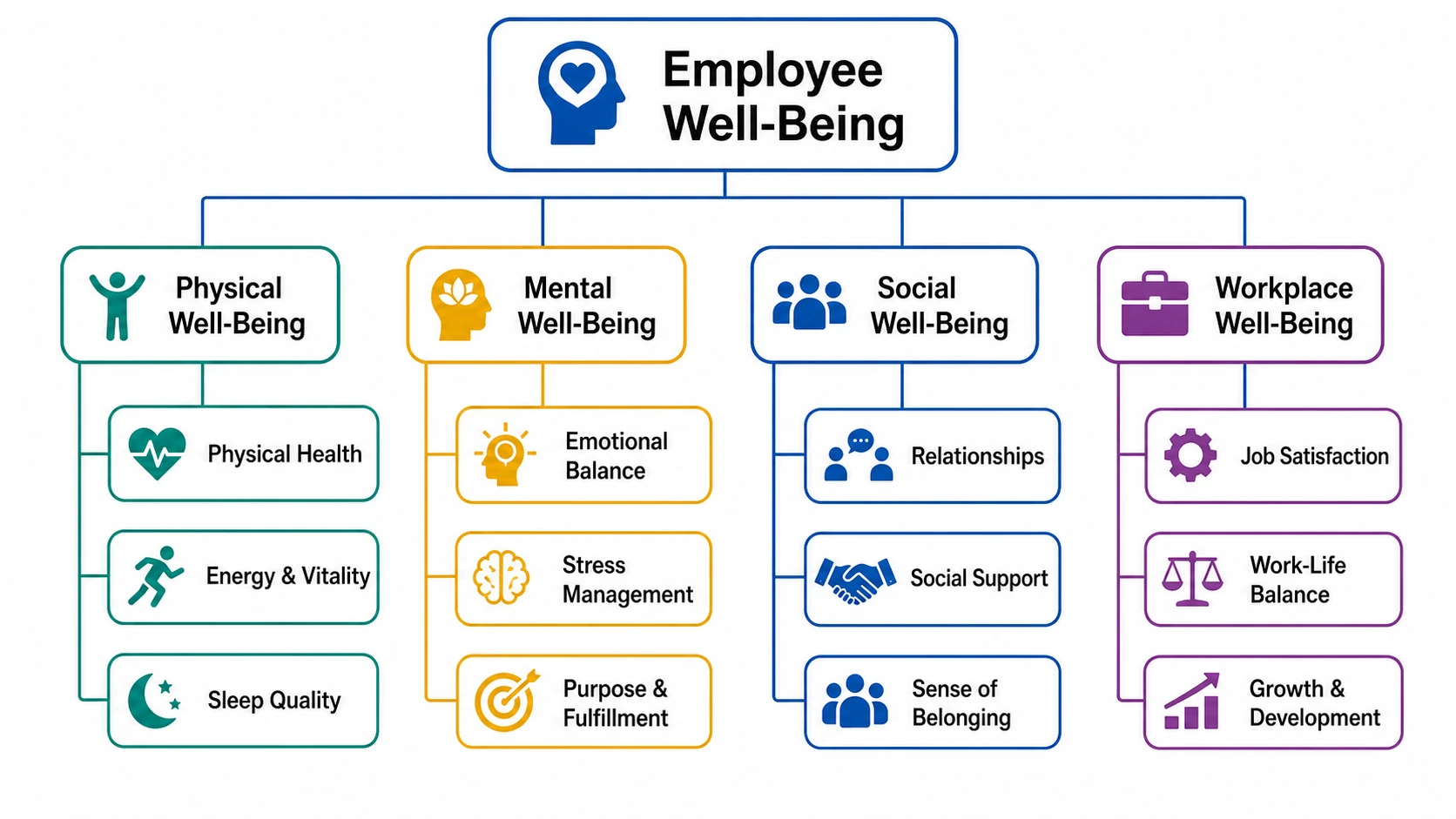
Organize the core theory, constructs, and outcomes into a readable hierarchy.
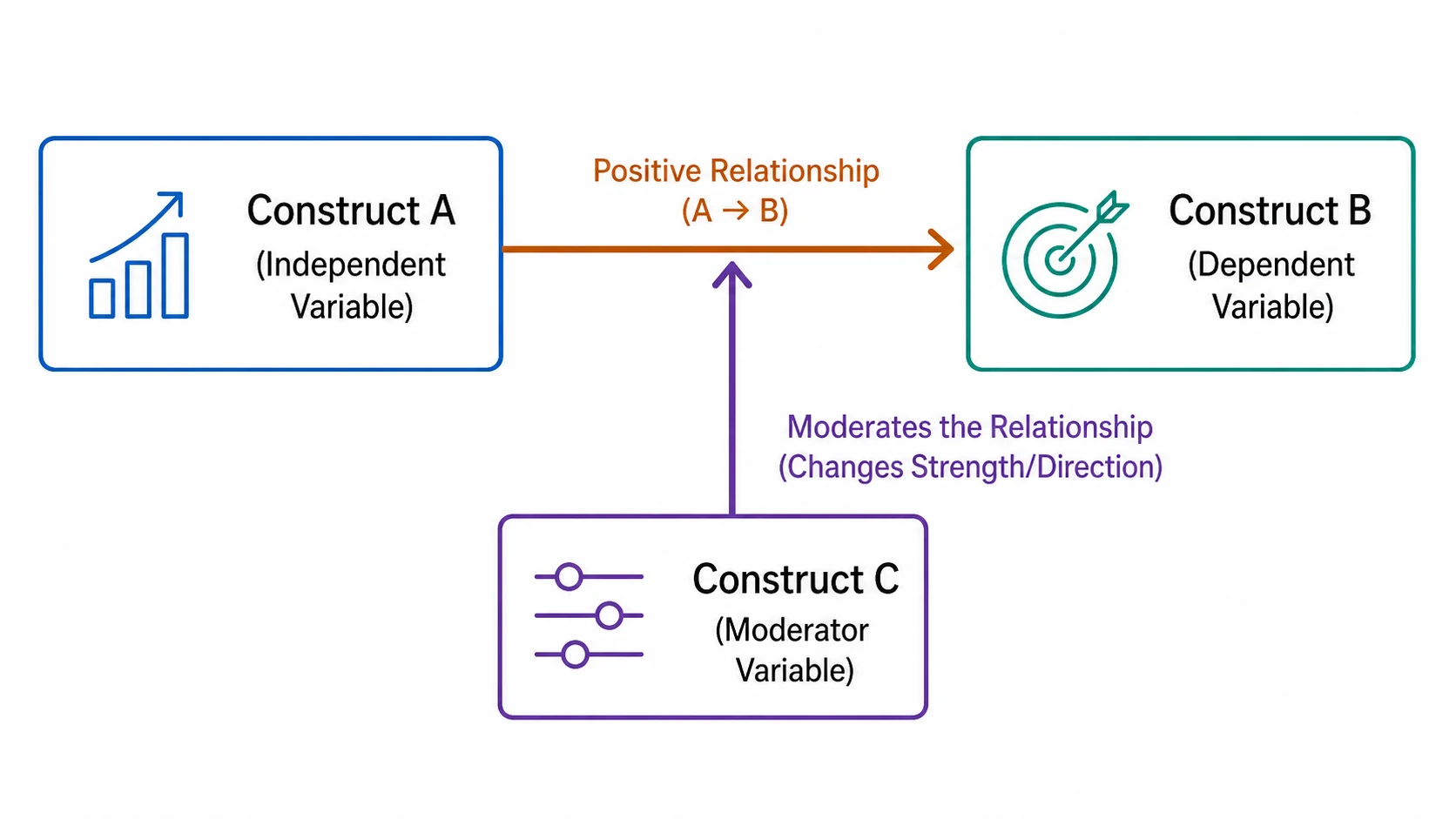
Use directional arrows to show relationships among variables, constructs, and hypotheses.
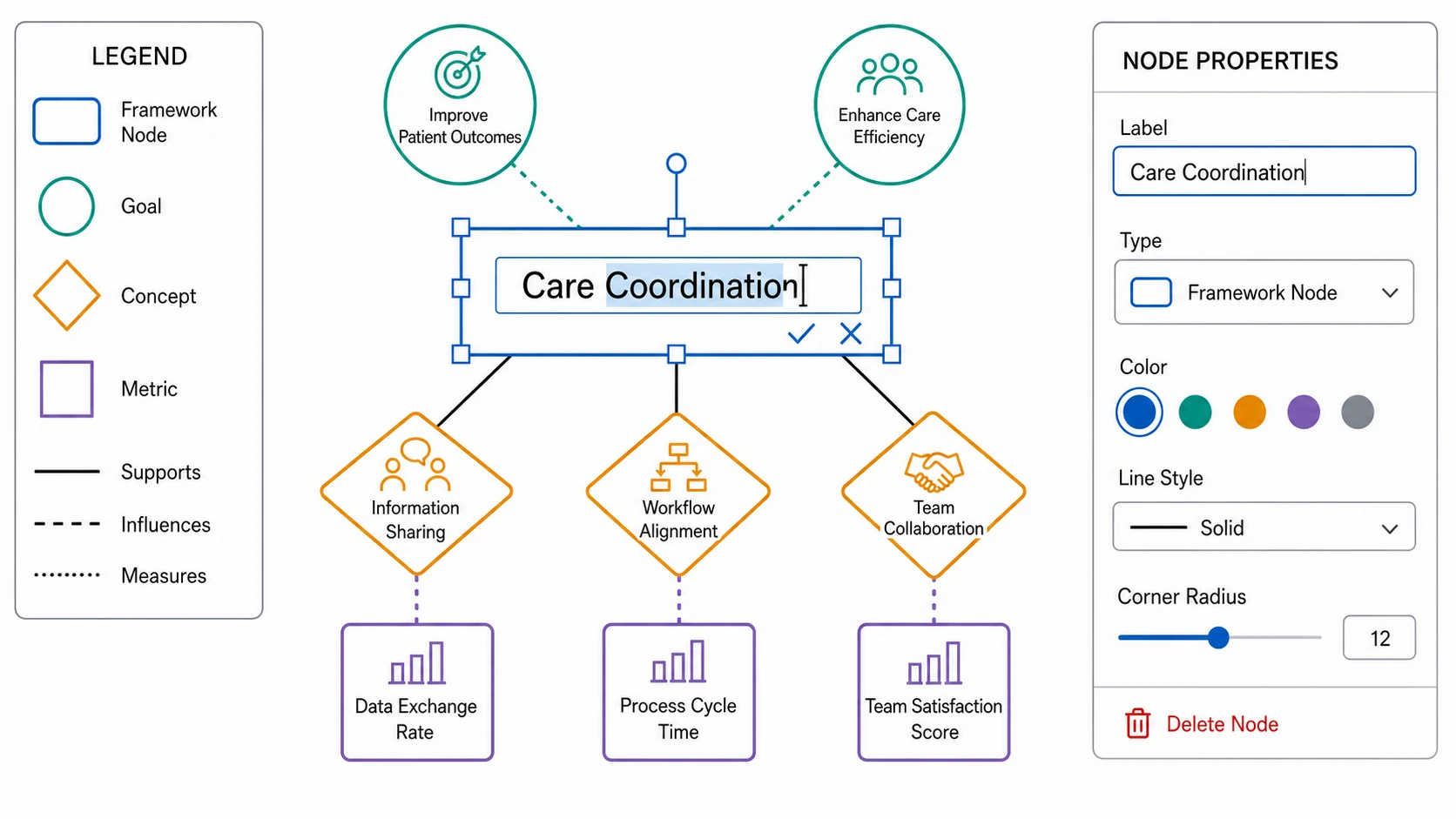
Refine construct names, relationship directions, and hierarchy for the final study design.
Name the theory and list its key constructs and definitions.
The AI drafts a labeled diagram with concepts and directional links.
Edit constructs, relationships, and layout to match your study.
Export the theoretical framework as SVG or a high-resolution image.
A theoretical framework is the established theory or model that underpins your study. It identifies the core constructs and the relationships between them, providing the intellectual foundation for your research questions, hypotheses, and analysis. Most dissertations and theses require one as a distinct section or chapter.
Related framework and figure tools